

UK Covid Inquiry: Hourglass Feedback


An abuser might exploit an older person by making demands for large transfers.
An abuser might control an older person's access to financial resources by refusing to let them access a bank account.
An abuser might sabotage an older person's ability to maintain financial security by building up debt in their name.
Signatures on cheques and documents that do not resemble the older person’s signature, or signed when the older person cannot write.
Sudden changes in bank accounts, including unexplained withdrawals of large sums of money by a person accompanying the older person.
The inclusion of additional names on an older person’s bank account.
Abrupt changes to or the sudden establishment of wills.
The sudden appearance of previously absent relatives claiming their rights to an older person’s affairs or possessions.
Someone moving into an older person’s house and living rent free, without agreement or under duress.
The unexplained sudden transfer of assets to a family member or someone outside the family.
Misuse of power of attorney, deputyship, appointeeship or other legal authority.
Numerous unpaid bills, or overdue rent, when someone else is supposed to be paying the bills.
Lack of amenities, such as TV, personal grooming items, appropriate clothing, that the older person should be able to afford.
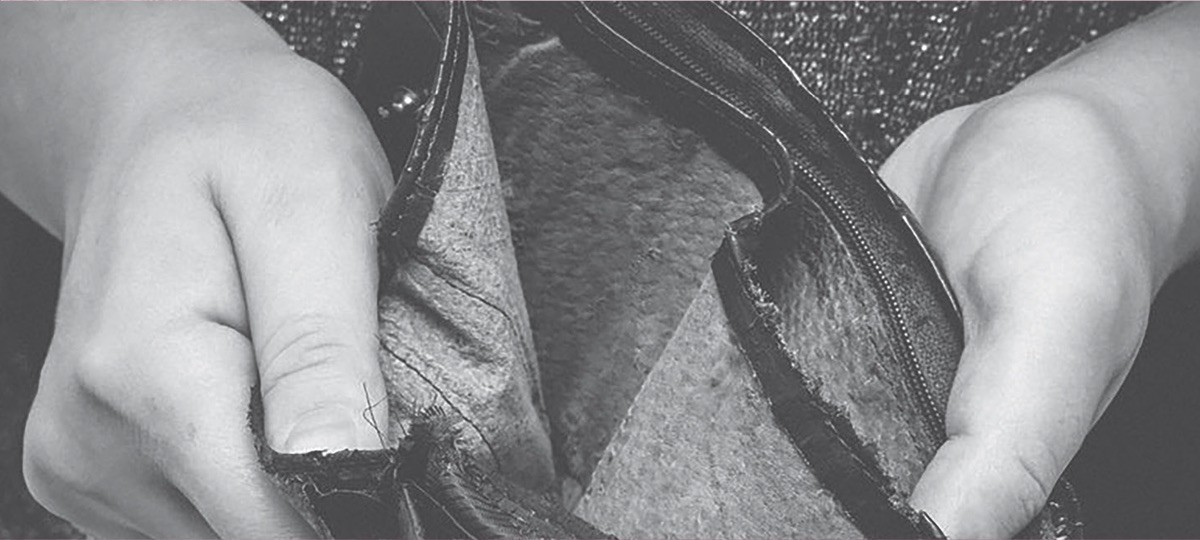
The unexplained disappearance of funds or valuable possessions such as art, silverware, or jewellery.
Deliberate isolation of an older person from friends and family, resulting in the caregiver alone having total control.



If you or anyone you know is suffering from abuse contact our 24/7 helpline




























What we're doing in your nation
What we're doing in your nation
What we're doing in your nation
What we're doing in your nation