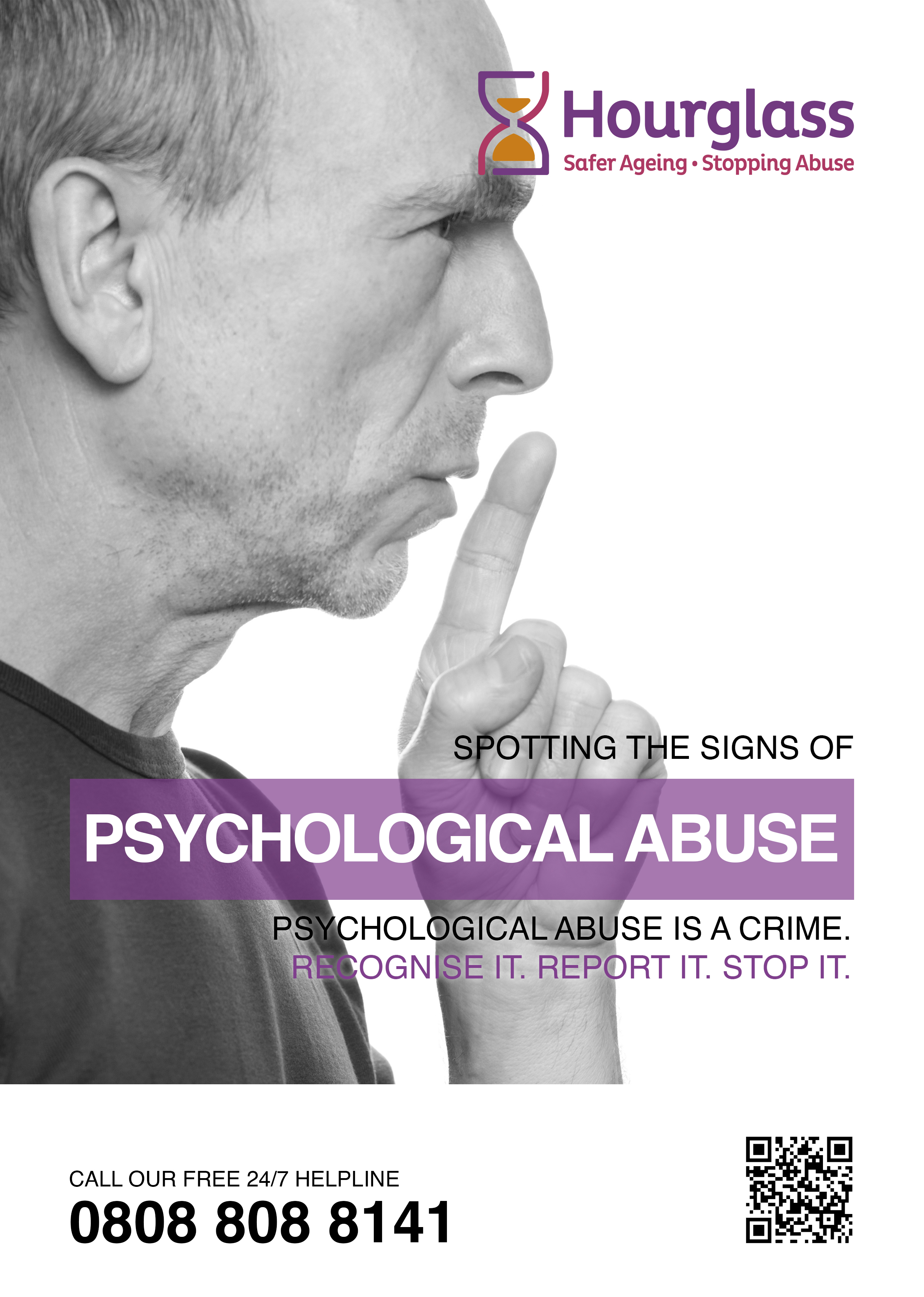
Psychological Abuse

Psychological Abuse

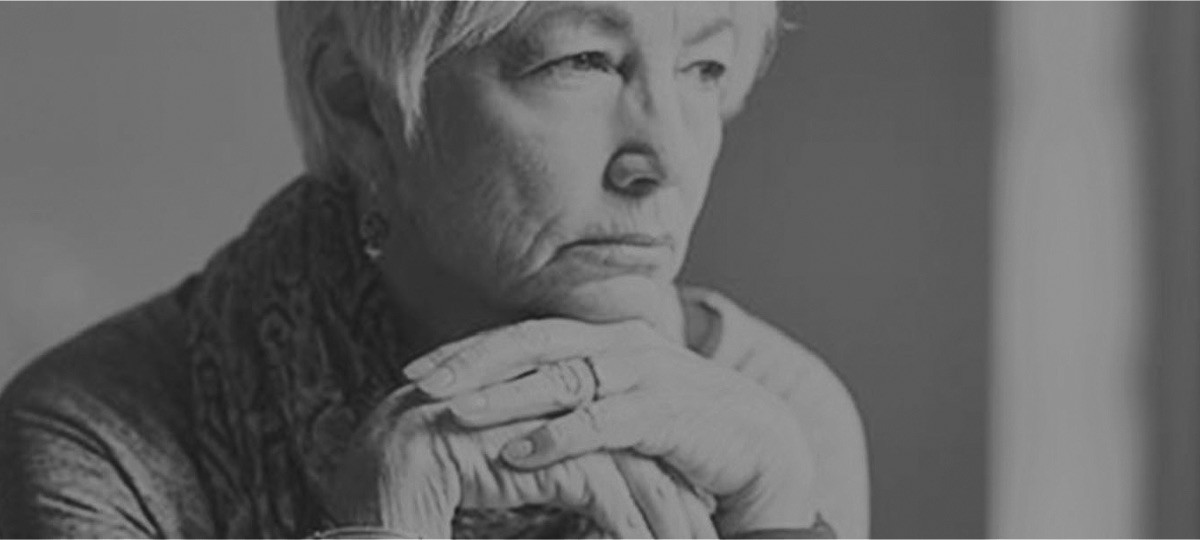
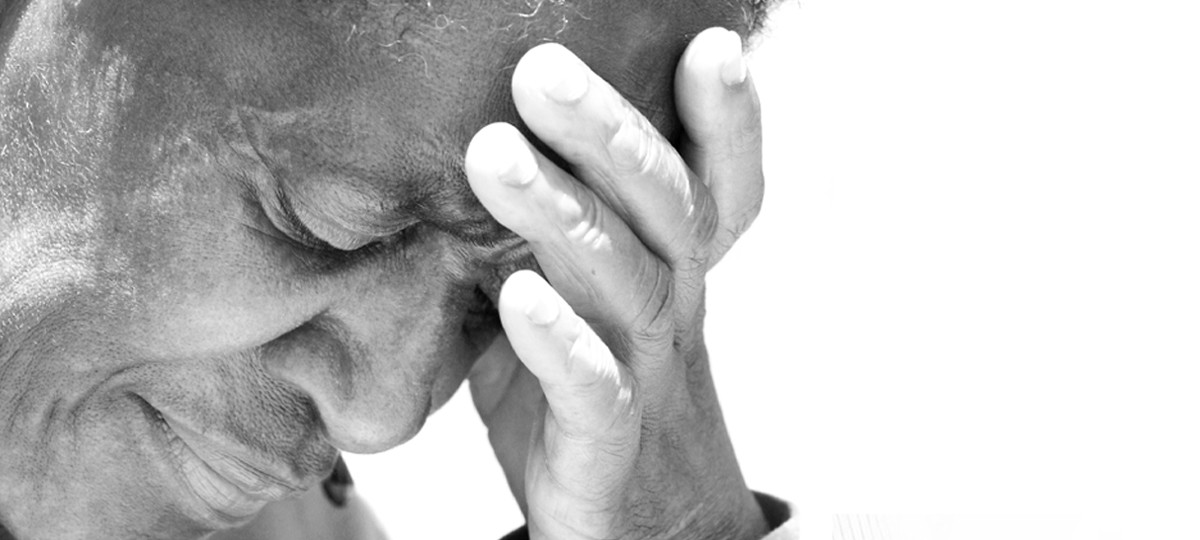
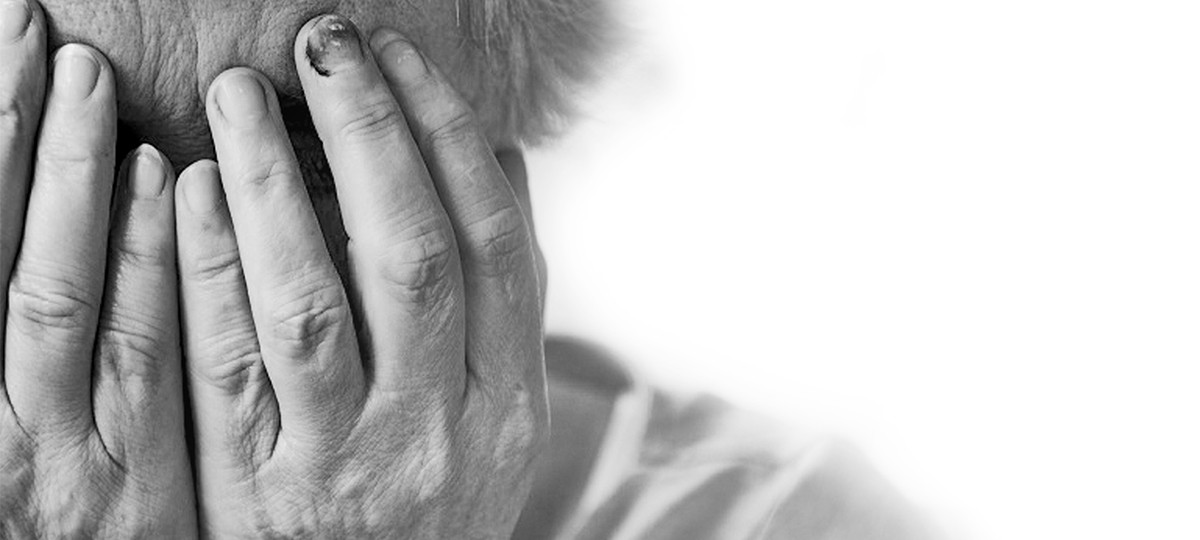
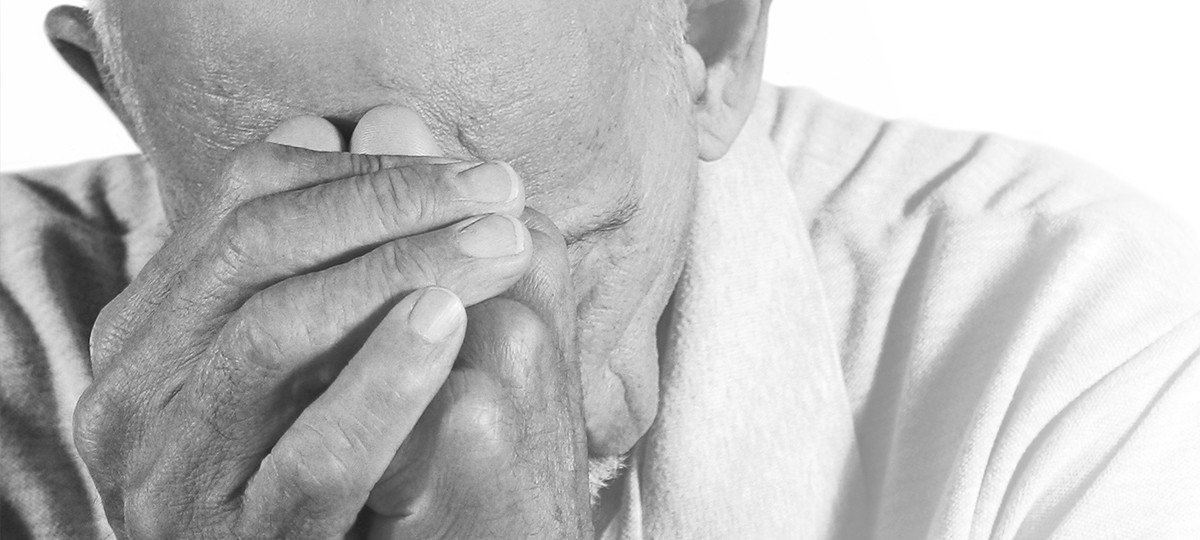
Psychological or emotional abuse involves threats of harm, bulling and harassment and other behaviours or acts of coercive control which deliberately try to scare, humiliate, isolate or ignore an older person.

 
Such abuse can also relate to acts that may contravene the human rights of older people, such as the restriction or prevention of older people meeting their religious or cultural needs.
 
It is rare for psychological abuse to happen in isolation and often it is linked to other forms of abuse or harm. 


What are the signs of psychological abuse? 

 
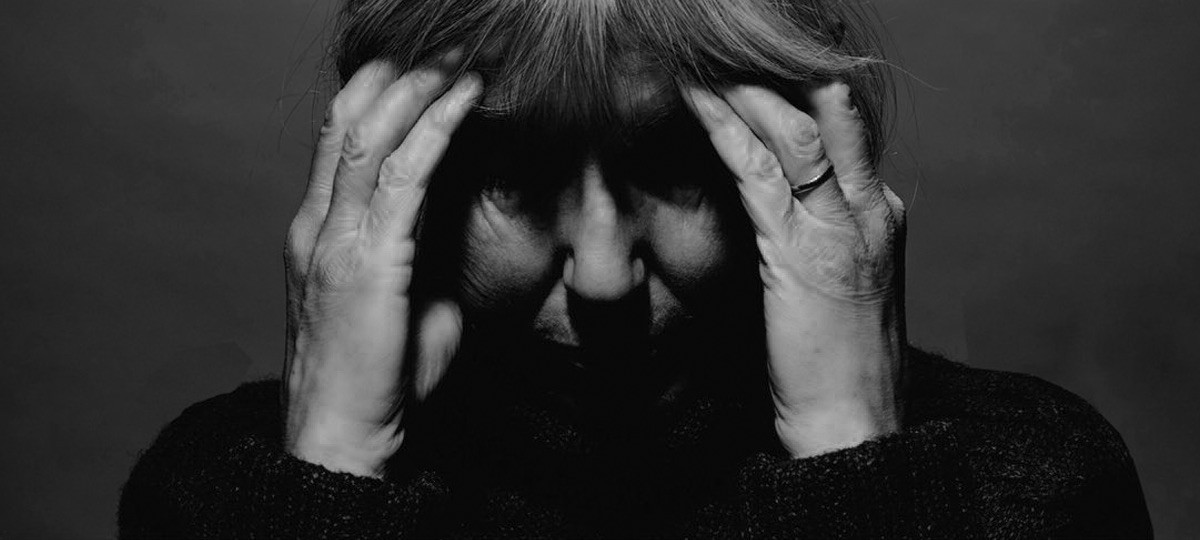
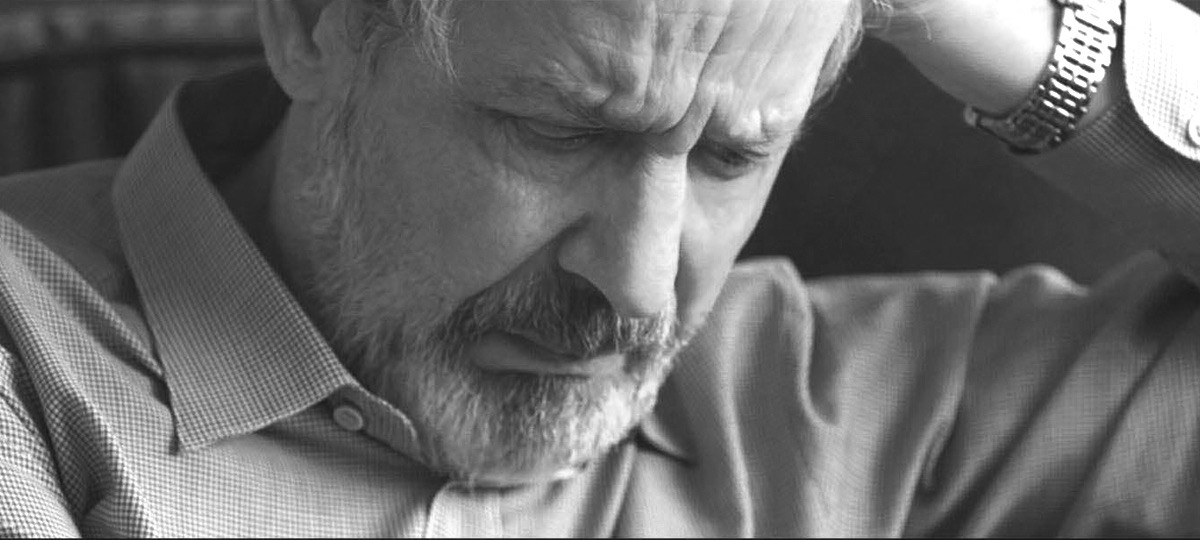
Psychological abuse can have a profound impact on someone’s mental health. Victims can feel trapped, threatened, humiliated, used, or a combination of all these. Most signs therefore relate to someone’s mental state, and changes in behaviour:
 
  • Helplessness.

  • Hesitation to talk openly.

  • Implausible stories.

  • Confusion or disorientation.

  • Anger without apparent cause.

  • Sudden change in behaviour.

  • Emotionally upset or agitated.

  • Unusual behaviour (sucking, biting, or rocking).

  • Unexplained fear.

  • Denial of a situation.

  • Extremely withdrawn and non-communicative or non-responsive.

  • An older person telling you they are being verbally or emotionally abused. 



Why does abuse happen?

Why does abuse happen?

What to do about abuse

What to do about abuse

Case Studies

Case Studies

If you or anyone you know is suffering from abuse contact our 24/7 helpline

0808 808 8141

Sign up to our newsletter

England

ENGLAND

What we're doing in your nation


Wales

WALES

What we're doing in your nation

Scotland

SCOTLAND

What we're doing in your nation

Northern Ireland

NORTHERN IRELAND

What we're doing in your nation