
UK Covid Inquiry: Hourglass Feedback

It is also a key moment to shine a light on an aspect of caring that is all to often hidden from view.
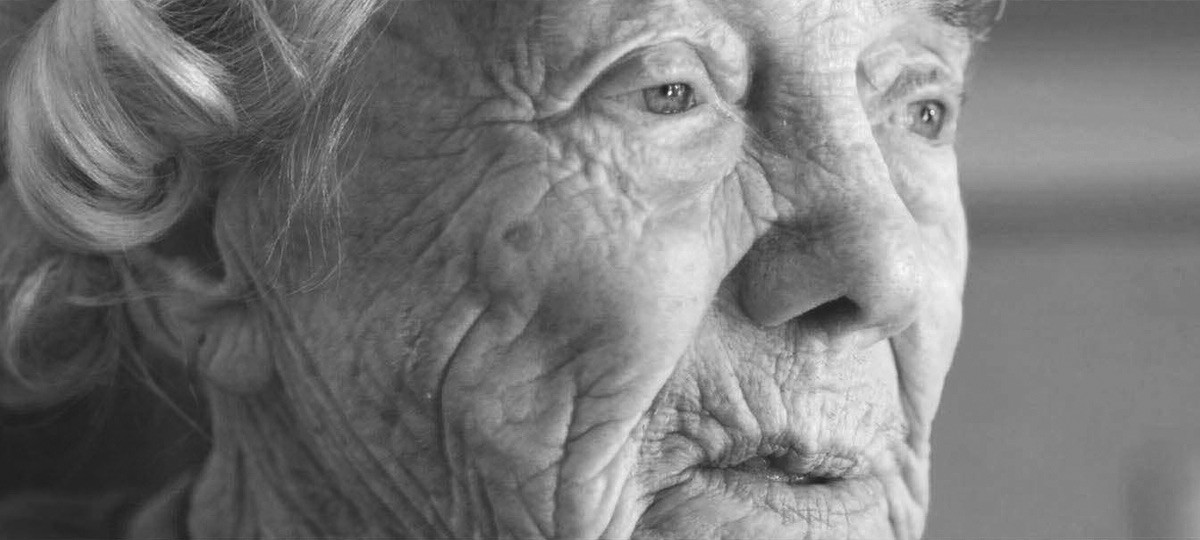
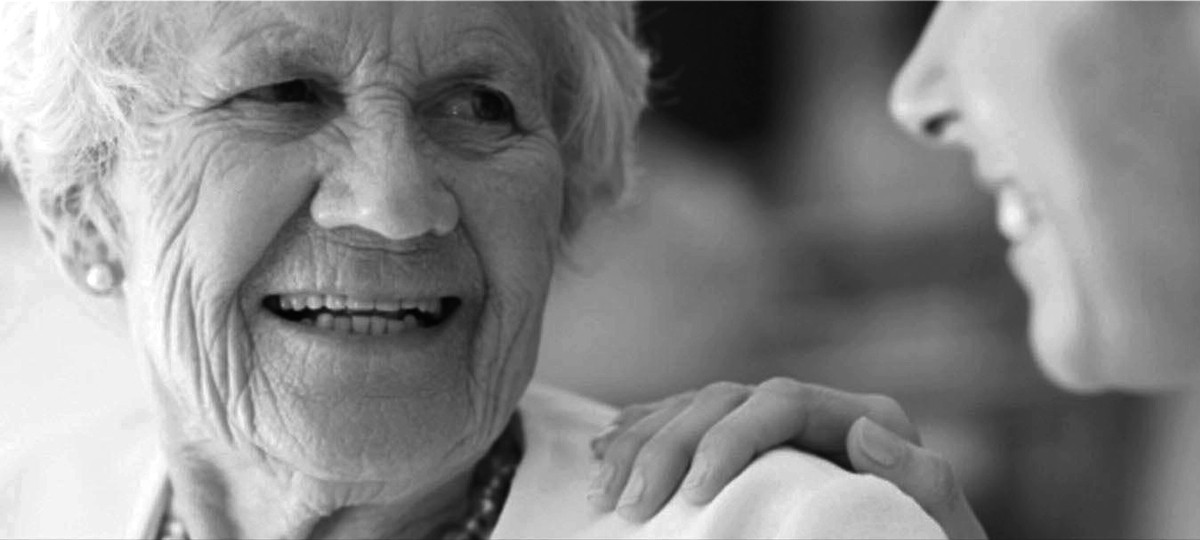
Too many carers experience abuse at the hands of the person they care for. This indicates the complex nature of abuse in later life and the need for person-centred responses to experiences of harm that look at the whole picture and join up health, social care and justice responses.
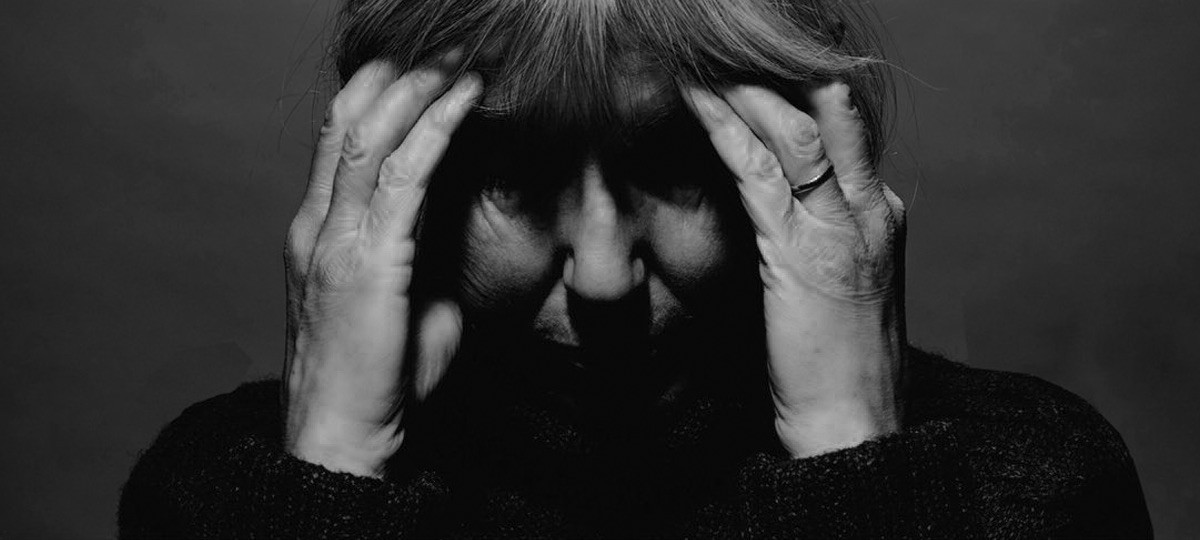
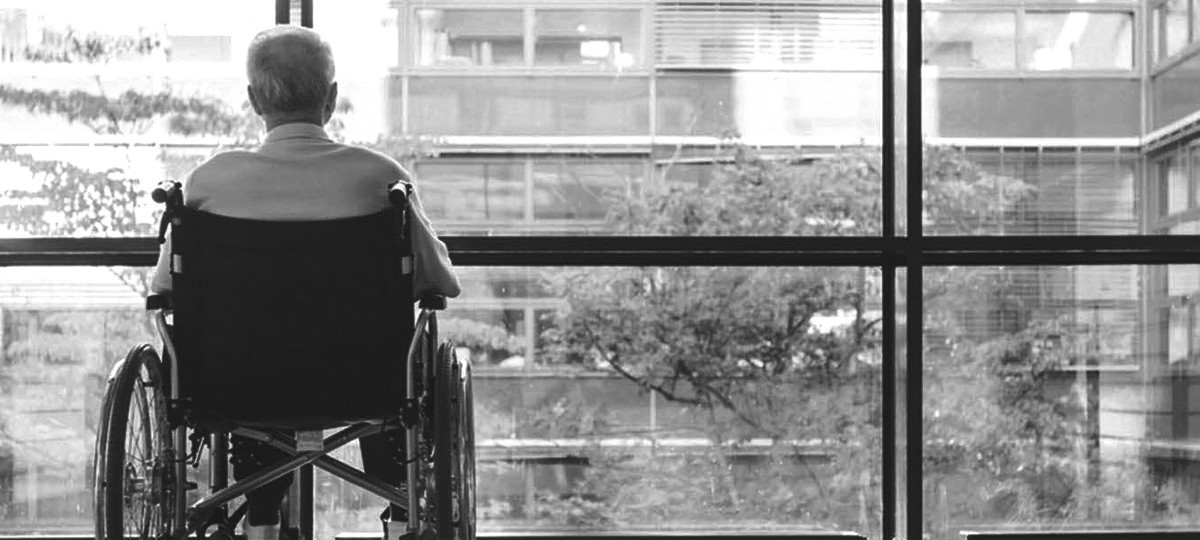
‘I used to feel shame and embarrassment about going out after there had been lots of shouting and violence. I was worried about what the neighbours would think. I stayed inside; I wanted to stay hidden. You take on the shame of your loved one’s behaviour because you know that people don’t understand why they are acting in a difficult or upsetting way. You also worry that people blame you and hold you responsible. There are so many layers to how this affects your life. (Rose, caring for her husband)’. [4]
One way to overcome shame as a barrier to disclosure is to spread awareness, both to practitioners and to the public that this type of abuse can occur, that those experiencing harm are not alone, and that older people should feel empowered to seek help.A good place to start is our specialist helpline, we are here to listen and support confidentially and without judgement. If you are an older carer experiencing abuse, an older person experiencing harm of any kind, or a concerned family member/friend contact us on 0808 808 8141.
If you or anyone you know is suffering from abuse contact our 247 helpline
0808 808 8141





















What we're doing in your nation
What we're doing in your nation
What we're doing in your nation
What we're doing in your nation