






Top Story
NMDDC DO NOT SPEAK FOR THE PEOPLE OF NEWRY ON CITY OF SANCTUARY
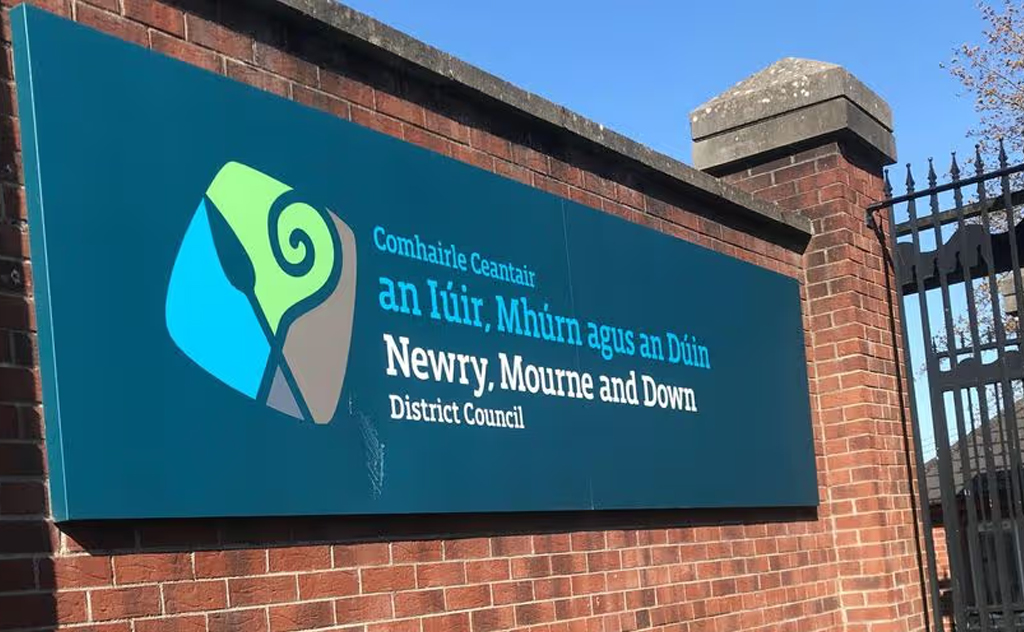
Public anger has continued to grow across the district following Newry, Mourne and Down District Council’s decision in October 2025 to move ahead with the City of Sanctuary Network, with many people now believing the Council is deliberately ignoring public concern and pushing forward with a politically charged agenda without meaningful democratic consent.
Melissa Ciummei says the issue is no longer simply about immigration policy — it is about transparency, accountability, democratic process, and a growing disconnect between elected representatives and the people they are supposed to serve.
According to Ciummei, the Council has badly misjudged the public mood.
“What people are witnessing is a Council that appears more interested in appeasing external organisations and political trends than listening to the ordinary people paying the rates and living with the consequences of these decisions,” she said.
“The public are not stupid, and they are tired of being treated as though they are.”
The Council’s decision to progress to Step 2 of the City of Sanctuary process triggered widespread criticism, particularly over the absence of a full public consultation and the handling of Section 75 obligations.
Locals First Initiative has raised concerns regarding the lack of a full Equality Impact Assessment (EQIA), the potential impact on community relations, and what many now view as a clear attempt to minimise or dismiss legitimate public opposition.
Melissa Ciummei says the Council’s repeated use of the term “misinformation” to describe public criticism has only deepened public distrust.
“People are asking legitimate democratic questions based on FOI requests, council documents, Home Office funding information, and City of Sanctuary’s own published material,” she said.
“Instead of answering those questions honestly, the Council has chosen to attack the people asking them. That is why respect for this Council is collapsing.”
Ciummei argues that the issue is not compassion, but capacity, responsibility, and honesty with the public.
“Nobody is saying people should be treated inhumanely,” she said.
“But Locals First Initiative believes the public have every right to question why a district already struggling with housing shortages, overstretched healthcare, rising rates, and pressure on schools is moving toward a framework designed to expand support structures, lobbying networks, and institutional embedding around asylum and refugee policy.”
Particular concern has centred on City of Sanctuary’s own published commitments to influencing government policy and creating networks of councils working collectively to lobby for change.
Melissa Ciummei says many people now believe councillors either failed to properly understand what they were signing up to or deliberately downplayed it to avoid public backlash.
“The public are entitled to know exactly what commitments are being made in their name,” she said.
“And they are entitled to ask why councillors appear comfortable aligning this district with an external activist-linked network before securing meaningful public consent.”
The controversy has also become symbolic of wider frustration with local government itself.
Many people now believe councils are increasingly functioning as vehicles for implementing top-down ideological policies while treating public opposition as an inconvenience to be managed rather than a democratic voice to be respected.
That anger intensified following claims that concerns raised through protests, public meetings, emails, and direct engagement were effectively ignored despite clear evidence of public discontent.
Melissa Ciummei says the Council cannot credibly claim this issue lacked controversy or potential impact on community relations.
“There is absolutely no way the Council can pretend it was unaware of the level of public concern surrounding this issue,” she said.
“The evidence was there repeatedly, publicly, and directly. To proceed regardless without a proper consultation process has only reinforced the perception that the outcome was pre-decided from the beginning.”
Section 75 has now become a central focus of the dispute, with growing calls for a full Equality Impact Assessment and formal public consultation before any further progression toward accreditation.
Melissa Ciummei argues that if the Council genuinely believes its position is justified, then it should have no fear of public scrutiny.
“If the Council believes this network has overwhelming public support, then let the public speak through a proper consultation,” she said.
“But many people suspect the reason this process was handled the way it was is because the Council already knew significant opposition existed.”
She warned that continuing further toward full City of Sanctuary accreditation without broader public engagement risks causing lasting damage to public trust.
“At this point, this is about far more than City of Sanctuary,” she said.
“It is about whether local people still have any meaningful voice in decisions affecting their communities, their finances, their public services, and the future direction of this district.”
Melissa Ciummei said the Council now faces a clear choice: either return to transparency and democratic accountability or continue down a path of growing public anger and collapsing public confidence.
“Councils exist to represent the people — not manage them, lecture them, or dismiss them,” she said.
“And if elected representatives continue to ignore public concern, avoid scrutiny, and push through controversial political frameworks without meaningful engagement, they should not be surprised when they lose the respect of the people entirely.”